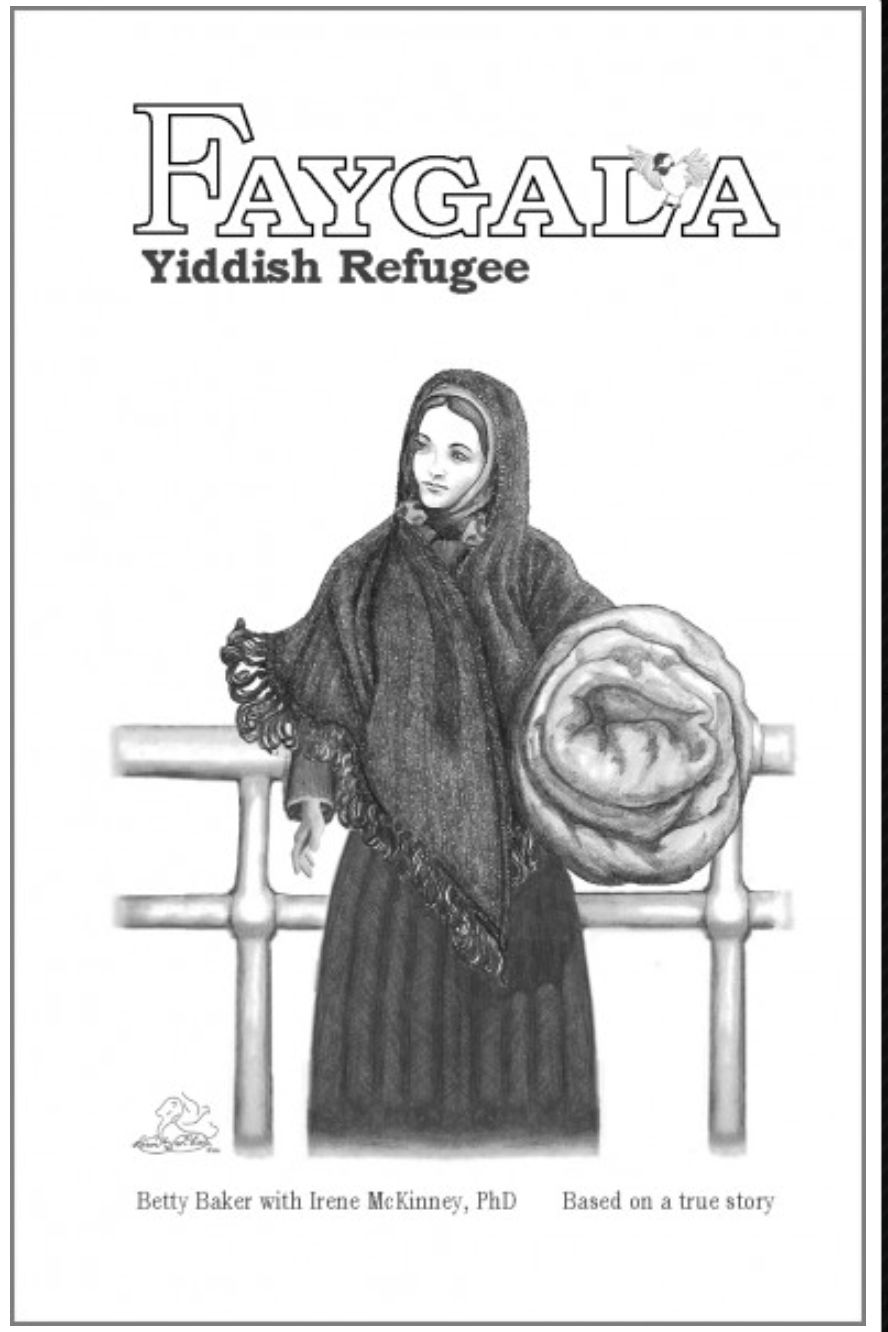
Faygala, Yiddish Refugee
Product Details
The tall, dreaded Cossack soldiers roaming around were feared by all in Faygala’s Jewish village. They had come before and stolen and destroyed almost everything. They could do it again at any time.
The Czar’s officers, the Bolsheviks, also raided several times to seize men for the army. By 1904 most men had fled to America. Faygala’s father was one of them. It had been so long that Faygala (which means “Little Bird”) almost didn’t remember what he looked like. Her family was planning to join him in the “golden country” as soon as he sent enough money for ship and train tickets and for Ellis Island fees and proof of support.
But suddenly due to personal danger from the Cossacks, Faygala, age 17, was forced to leave her village on a rough wagon trip
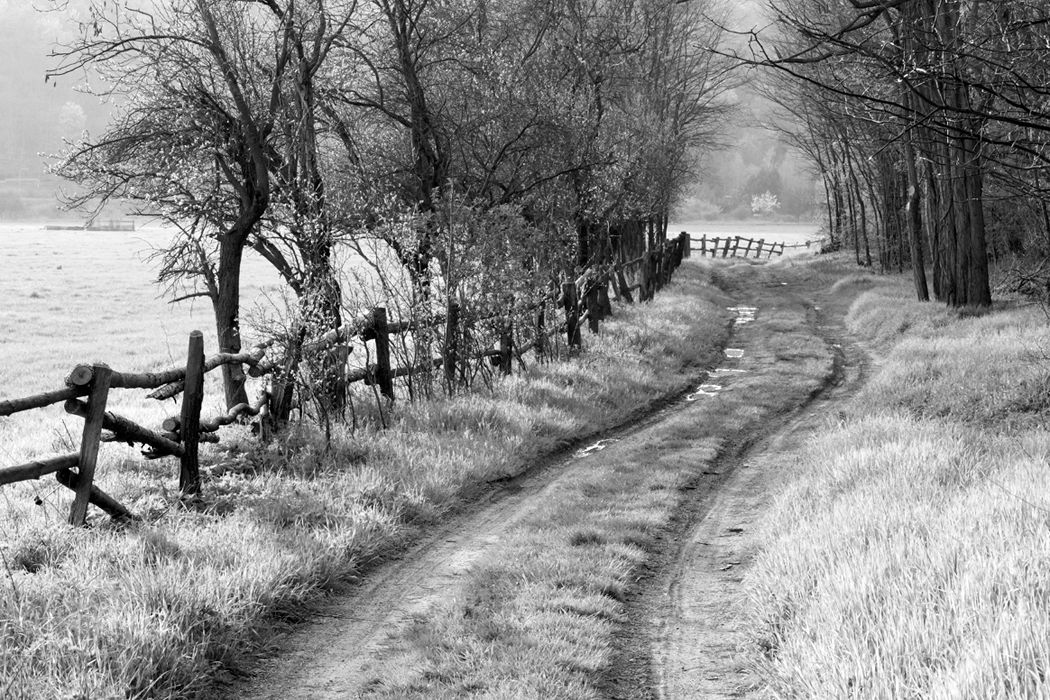
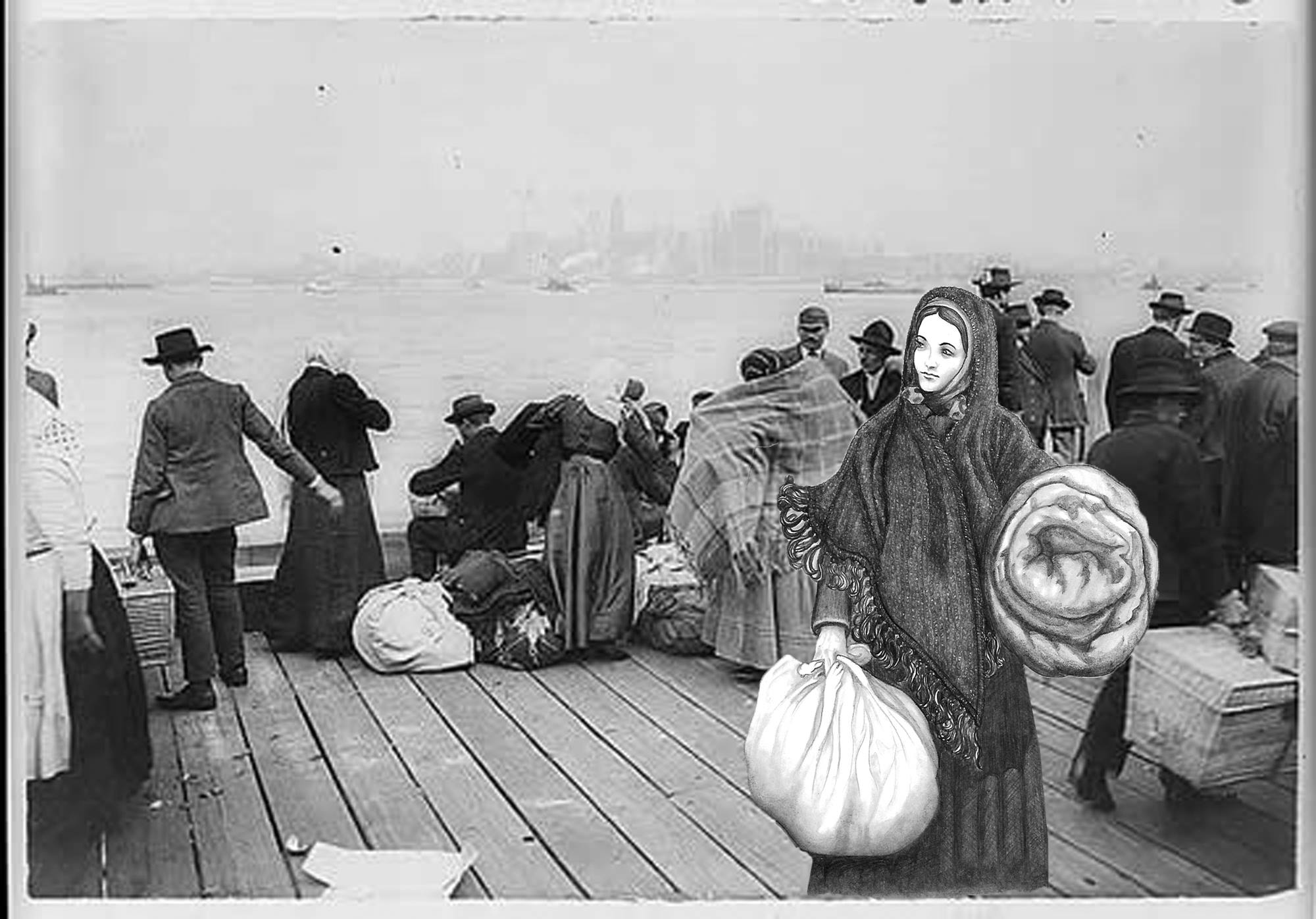
to board a ship to make the daunting ocean journey alone with people she barely knew..
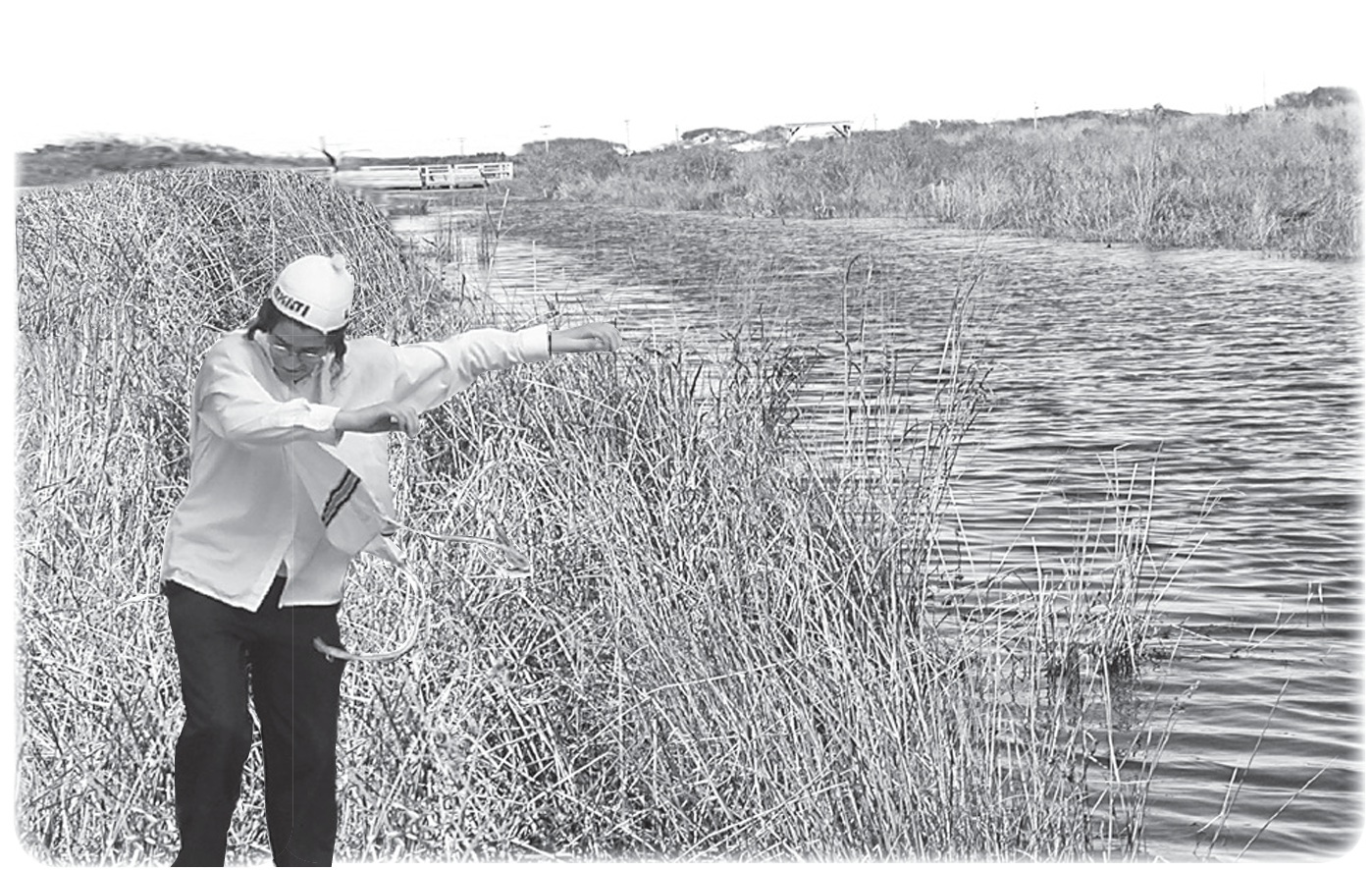
Departing was extremely painful for her, especially leaving a certain young man behind who she saw dancing beside the river. The thought of never seeing him again tore at her heart.
Along the way Faygala faced many difficulties causing her to fear she would never reach her dear father.
This 102 page novelette is written by Faygala’s late daughter-in-law as Faygala (Fannie) told it over the years. It draws the reader into Faygala's poverty stricken, Orthodox Jewish life in Russia; introduces her Yiddish vocabulary; and instills the amazement she felt upon seeing all the wonders of the new “modern” country.
Artwork inside for your reading pleasure!
See Inside a few pages (It was decided to remove all images in the book in the final version, but we kept the cute birds.)
Buy the E-book for only $4.39 on Amazon

After you have read the book, you might be interested in seeing more images of Ellis Island:
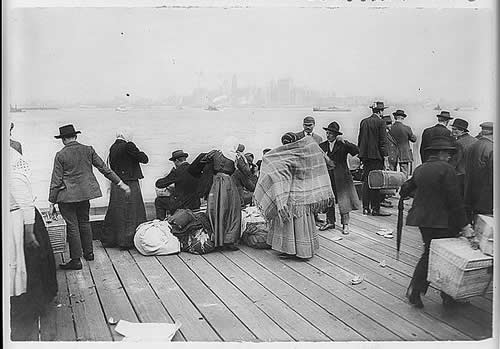
1912, ship, Immigrants Awaiting Transfer Ellis Island

1910 ArrivalAt Ellis Island
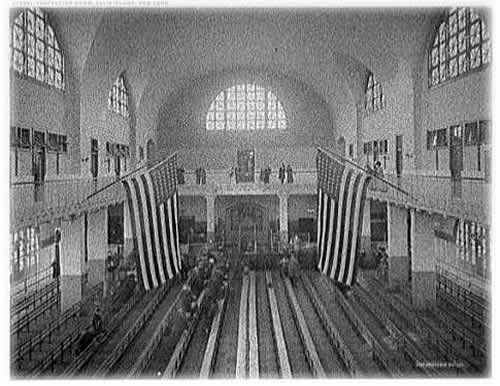
1910 Inspection Room, Ellis Island
Faygala is a beautiful Yiddish word that means "little bird." "Bird" is "Faygel."
Here is a Yiddish lullaby using this beautiful, innocent word "faygala." They spell it a bit different: "Shlof Mayn Fegele" which means "Sleep My Little Bird"
Here is a different version of Shlof Mayn Fegele song with the music score in the video.
Here is an old folk song called Fegele in an old video. The lady starts singing at minute 0:30. (The lyrics are in the video description.)